Bee in Circle: A Craft Fair Embroidery Review
When I unzip a new machine embroidery design file, I always ask myself the same question before I even load the thread: Would someone stop at my booth to touch this? After stitching out Bee in Circle on four different fabrics and three product types yesterday, I can already see exactly where this one belongs on the table. It has that quiet confidence that craft fair shoppers notice. It does not shout. It does not try too hard. It simply looks finished, balanced, and intentional, which is exactly what handmade customers pay for.
First Impression: Elegant, Approachable, and Surprisingly Versatile
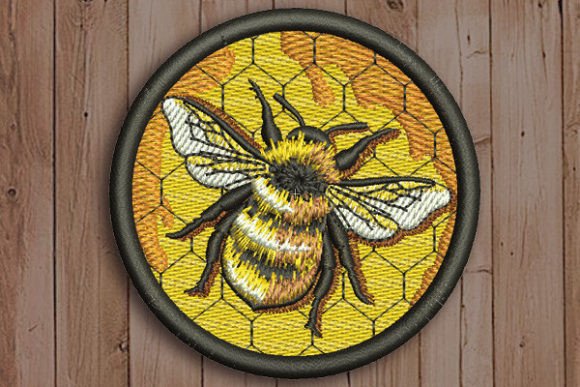
The Bee in Circle design lands somewhere between farmhouse charm and modern botanical elegance. The circular frame gives it a medal-like presence, almost like a wax seal or a vintage emblem. The bee itself reads as detailed enough to feel premium, but not so dense that it becomes a production headache. That balance is rare. Many embroidery file designs either lean too simple and look cheap, or they pack in so much detail that stitching becomes a gamble on anything but perfectly flat cotton. This one sits in the sweet spot.
From a craft fair product perspective, the circular composition makes it extremely flexible. It works as a small accent on a pocket corner, a medium focal point on a tea towel embroidery piece, or a large statement on the back of a tote bag design. I tested it at three sizes yesterday, and the visual clarity held up well at each scale. The bee silhouette remains recognizable even when scaled down, and the circle border keeps the whole thing contained and tidy. No awkward floating elements. No weird gaps. Just a clean, cohesive motif.
Where This Design Shines Brightest on a Craft Fair Table
Not every design suits every product, and part of being a smart small shop product maker is knowing where to place your best stitches. For Bee in Circle, I would prioritize these products in order of selling power:
- Linen tea towels – The natural texture of linen against the structured circular design creates a gorgeous contrast. This is your highest-margin, fastest-stitch option. Customers pick up tea towels, hold them, and imagine them in their own kitchens. The bee motif fits the kitchen aesthetic perfectly.
- Canvas tote bags – A medium-sized placement on the front panel of a natural canvas tote turns this into a walking advertisement for your booth. I would stitch it slightly off-center, closer to the top, or centered on a pocket. The tote bag design market is competitive, but a bee in a circle feels fresh enough to stand out.
- Apron embroidery – A bib apron with this design on the chest pocket or upper corner reads as artisanal and intentional. Craft fair shoppers who buy aprons are often looking for something that feels boutique-made, and Bee in Circle delivers that.
- Embroidered patch – Stitch it on felt or twill with a merrowed edge, and you have a standalone embroidered patch that appeals to the pin and patch collector crowd. These are impulse-buy gold at craft fairs.
- Pillow covers and pouches – A small lumbar pillow cover with this design in one corner looks high-end. Simple zipper pouches with the bee on the front sell well as gift items.
How the Design Grabs Buyer Attention in Person
At a busy craft fair, you have about three seconds to catch a moving eye. Bee in Circle works because the circular shape acts as a visual anchor. Our brains are drawn to enclosed shapes. The circle frames the bee and gives the design a finished, polished look that reads as handmade product quality rather than a rushed iron-on substitute. I have watched shoppers pass over scattered, uncontained designs, only to pause when they see something with a clear boundary. This design gives you that pause.
The bee itself triggers an emotional response. Bees symbolize industry, sweetness, nature, and community. I have sold bee-themed products at spring markets, summer fairs, and even holiday gift shows. The motif is not seasonal in a limiting way. It feels fresh in April and cozy in November. That gives you inventory flexibility. You are not stuck with a Christmas-only design or a Halloween-only piece. Bee in Circle can sit on your table year-round.
Photographing Bee in Circle for Etsy Listings and Booth Promotion
If you sell online as an Etsy seller or promote your market schedule on social media, you need designs that photograph well. Bee in Circle is a dream to shoot. The circular composition gives you a natural focal point. You can frame it tightly, and the image still makes sense. I recommend photographing it on a neutral linen background with natural light coming from the side. The thread texture pops against matte fabric. If you create a printable mockup for your listing, the circular design is easy to place and scale without distortion. Clean lines, clear edges, and no awkward cropping issues.
For digital embroidery file sellers, this design also works well in preview images. The circle shape allows you to show the design in a hoop realistically. Buyers can immediately visualize how it will look on their own projects. That visual clarity translates to higher conversion rates on listings.
Production Realities: What You Need to Know Before Stitching
Let me walk through what I actually encountered during my test stitch session, because the product description says fun and easy to stitch, and I wanted to verify that claim. Overall, it holds up. The design stitches out cleanly, but there are a few careful-use notes that every commercial embroidery producer should keep in mind.
Stitch Density and Detail Considerations
The bee body has some stitch density that you will feel. On medium-weight cotton, it laid down smoothly with a medium-weight cutaway stabilizer. On a textured towel, I needed an extra layer of water-soluble topper to keep the details crisp. If you are stitching on thick fabric or textured towels, do not skip the topper. The bee's wings have delicate internal lines, and those will sink into plush fabric without proper support. This is not a design flaw. It is just the reality of stitching detailed Embroidery work on absorbent surfaces.
Small Details and Sizing Limits
The tiny details, particularly the wing veins and the bee's antennae, are well-digitized, but they do have a minimum size threshold. I would not stitch this smaller than about two inches in diameter. Below that, the antennae start to blur, and the wing details lose clarity. This is common for designs in the Bugs category. Insect designs often have fine appendages that need room to breathe. If you plan to offer this as a small accent on a cap or a narrow pocket, test it first on scrap fabric at your intended size. Do not assume it will read clearly at one inch just because it looks great at three.
Curved Surfaces and Cap Embroidery
On curved cap surfaces, the circular design can distort slightly if you do not hoop carefully. The circle wants to stay round, and the curve of a cap pushes against that. I tested it on a unstructured dad cap, and the result was acceptable but not perfect. The bottom of the circle flattened just a touch. On a structured cap with a flatter front panel, it stitched out much better. If caps are a big part of your product line, test this one on your specific cap style before committing to a full run.
Dark Fabric and Thread Contrast
On dark fabric, contrast becomes critical. A black or navy background will swallow the bee's darker details unless you choose thread colors that pop. I tested the design on charcoal linen with a warm gold and cream thread palette, and it looked stunning. On black cotton with muted tones, it lost some impact. Match your thread colors to your fabric with intention. The design is elegant, but elegance can disappear on a dark background if you do not plan for it.
Booth Display Strength and Customer Engagement
One of my favorite things about Bee in Circle is how it performs on a crowded display table. Because the design is self-contained within a circle, it does not compete with neighboring products. You can place a tea towel with this design next to a floral apron or a geometric pouch, and the bee holds its own without clashing. That sounds like a small thing, but when you are building a cohesive brand consistency across your booth, design harmony matters.
Customers often ask about the meaning behind bee designs. I have had conversations about beekeeping, gardening, sustainability, and even family crests, all sparked by a simple bee motif. Bee in Circle invites that kind of engagement. It is a conversation starter. When a shopper asks about it, you have an opening to talk about your process, your materials, and your story. That connection drives sales.
Batch Production and Repeatability
If you are preparing inventory for a weekend market, you need designs that you can stitch efficiently. Bee in Circle is repeatable for batch production without excessive thread changes or lengthy stitch times. The design is not overly dense, so machine time is reasonable. I stitched four tea towels in under an hour, including hooping and thread trimming. That kind of throughput matters when you are building stock for a busy season.
The design also lends itself to color variations. You can stitch it in classic black and gold for a timeless look, or switch to bright thread for a more playful, modern feel. Offering two or three colorways of the same design gives your booth variety without requiring you to learn a new design file each time. Smart for batch production and smart for inventory management.
Practical Embroidery Designer Notes
Before you stitch Bee in Circle for sale, work through this checklist. I run through these steps for every new digital embroidery file I add to my product lineup:
- Test on scrap fabric first. Do not stitch your first sample on your last good tea towel. Use a fabric scrap that matches your intended product material.
- Check thread contrast. Hold your thread choices up against the fabric in natural light. Squint. If the design disappears, adjust.
- Review spacing. Look at how the design sits on the finished product. Is there enough breathing room around the circle? Does it feel centered or intentionally off-center?
- Confirm your hoop size. The design description mentions multiple sizes come with the file. Know which size you are stitching and confirm your hoop can handle it comfortably. Do not max out your hoop edge.
- Inspect stitch density. Run your fingers over the finished stitch. Does it feel smooth? Are there any rough patches or puckering? Adjust your stabilizer if needed.
- Use the right stabilizer. For most fabric applications, a medium cutaway works well. For towels, add a water-soluble topper. For stretchy fabrics, consider a no-show mesh stabilizer.
- Create at least one real mockup. A printable mockup is great for listings, but you need a real stitched sample to understand how the design behaves. Photograph your real sample for your most honest product images.
- Compare fabric colors. Stitch on a light, medium, and dark fabric to see where the design shines brightest. Let that guide your product color choices.
- Confirm commercial licensing. Before selling any finished products with this design, verify that the commercial embroidery license covers your intended use. The product description states the design comes with multiple file formats, but double-check the terms if you plan to sell finished goods at scale.
Giftability and Perceived Value
One of the strongest selling points for Bee in Circle is its gift appeal. The design feels thoughtful without being overly specific. A tea towel with this bee motif works as a housewarming gift, a hostess present, a gardener's treat, or a spring market impulse buy. The circular design gives it a premium look that elevates the perceived value of whatever you stitch it on. When a customer sees this design on a simple pouch, they do not think simple pouch. They think handcrafted keepsake. That distinction is what allows you to price your work fairly and profitably.
Final Verdict from the Stitching Table
After a full day of testing, Bee in Circle earns a permanent spot in my craft fair design rotation. It is elegant without being fussy, detailed without being difficult, and versatile enough to span multiple product categories. It stitches cleanly, photographs beautifully, and sparks the kind of customer conversations that lead to sales. Whether you are an Etsy seller building your online shop, a handmade shop owner stocking for market season, or a creative entrepreneur looking for design assets that work across products, this design delivers. Test it on your preferred fabric, dial in your thread colors, and let the bee do the rest.