Diagonous E: A Bold Embroidery Statement for Craft Booths
As an embroidery designer who spends every weekend staring at booth displays, I judge a new machine embroidery design by one question: will it stop a customer mid-stride? The Diagonous E design answers that instantly. The description is straightforward—the letter E built from diagonal shapes in primary and secondary colors—but the visual energy is anything but basic. This isn’t a quiet monogram or a delicate script. It’s a punchy, modern geometric that feels part art class, part pop graphic, and entirely at home on a handmade product table. Before I ever thread a needle, I’m already picturing which blanks it will elevate and how it will photograph for my Etsy shop.
First Impressions: What Diagonous E Communicates Instantly
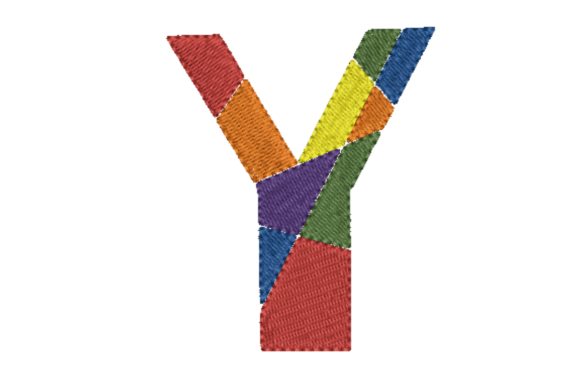
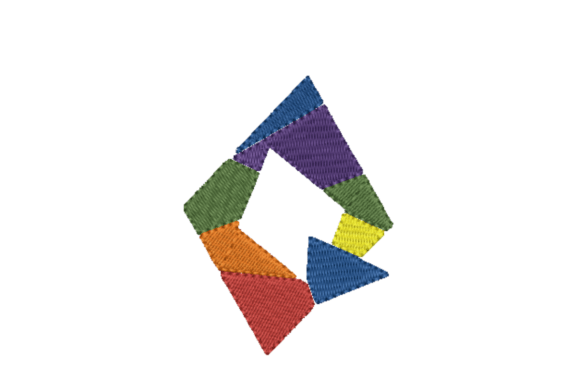
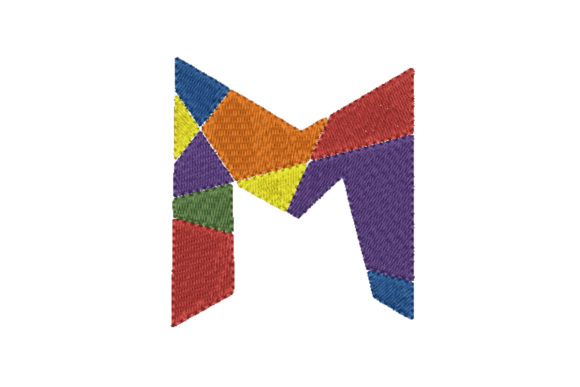
At a glance, Diagonous E reads as confident and playful. The diagonal cuts break the letter into dynamic slivers, and the primary and secondary color palette—red, yellow, blue, green, orange, purple—gives it a Bauhaus-meets-children’s-museum vibe. There’s no guesswork; the eye immediately recognizes the capital E, but the unexpected angles keep it from feeling ordinary. For a craft fair booth, this is gold. The design shouts “individuality” without being niche. It would appeal to a teacher grabbing a tote bag, a parent buying a personalized pillow for a kid named Emma, or a design-minded shopper who loves a hit of color on a kitchen towel. The mood is bold, slightly retro, and undeniably cheerful—not cute, not rustic, not formal. It lands squarely in that modern sweet spot where handmade meets high design.
Best Product Matches for Diagonous E at a Craft Fair
Where this embroidery file really shines is on products that function as a canvas. I’ve laid out my mental mockups, and here’s where Diagonous E would earn its keep.
- Tote Bags: A large canvas tote in natural cotton is the ideal partner. The design becomes a focal point, and the bright colors contrast beautifully against the neutral background. This is the product I’d push as a bestseller—easy to stitch, high perceived value, and universally useful.
- Tea Towels: A crisp white or light gray flour sack towel with the Diagonous E on one corner delivers a modern kitchen accent. The design is bold enough to sell as a single-item gift, and the diagonal lines add a graphic pop that photographs cleanly for online listings.
- Aprons: On a bib apron, the design can sit centered or on the pocket area. I’d lean toward a children’s apron or a playful adult baker’s apron. The primary colors feel inherently approachable, and the E can double as a playful initial or a stand-alone decorative element.
- Pillow Covers: A 16×16 or 18×18 cotton-linen pillow cover with the Diagonous E makes a statement throw pillow. It’s a low-commitment home decor item that customers pick up on impulse because the design is so visually uplifting.
- Patches and Pouches: For small accessories, the design needs careful sizing. I’d test it as a patch scaled down to about 3×3 inches. If the diagonal details hold, a patch is a great add-on sale. Fabric pouches with the design on the front flap become cute giftable items for makeup bags or pencil cases.
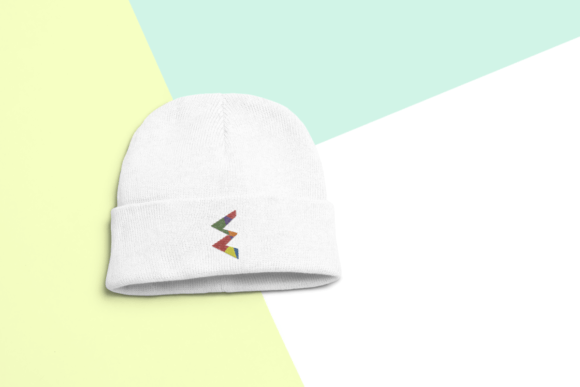
- Caps: This is a trickier surface, but the diagonal nature of the design might actually complement the curved shape of a cap if placed off-center. I’d test it on a soft, unstructured dad hat, but I’d be prepared for the lines to warp slightly. It’s not my first choice for this design, but it could work as a modern accent.
For my own booth, I’d lead with tote bags and tea towels. They’re quick to produce in batches, the stitch-out is predictable, and the price point is comfortable for spontaneous buyers. The Diagonous E design gives these everyday items a gallery-like quality that justifies a higher markup.
Practical Production Considerations for the Diagonous E Design
Turning a digital embroidery file into a finished product requires a reality check. The description doesn’t list stitch count, exact hoop size, or specific file formats, so I’d always verify those details before purchasing. But here’s what I’d anticipate and prepare for based on the design’s visual structure.
The diagonal shapes likely intersect, creating areas of higher stitch density. I’d run a test on a mid-weight cotton with a medium-weight cutaway stabilizer and watch for puckering. If the fabric pulls, I’d step up to a heavier stabilizer or add a topping film. The bright primary and secondary colors mean thread choice is critical. I’d use high-sheen polyester or rayon threads to keep the colors vibrant and avoid dulling. Contrast is excellent by default, but I’d still test on dark fabric—navy, black, or charcoal—to see if the colors pop or get swallowed. A white or light underlay thread might be necessary on dark backgrounds.
For textured towels, I’d use a water-soluble topper to prevent the stitches from sinking into the loops. On caps, the curved surface could distort the diagonal lines, so I’d mock up one hat and evaluate the visual balance. If the design includes any tiny details or thin intersecting lines, they might close up on thick fabrics or at smaller sizes. I’d avoid scaling the design below 2.5 inches in width unless test stitching proves it’s still crisp. The design’s strength lies in its clear, graphic silhouette, so preserving that clarity is non-negotiable.
Display and Photography: How Diagonous E Draws Customers In
At a craft fair, your booth is a visual pop-up shop. Diagonous E is a natural attention-grabber. I’d hang a finished tote at eye level near the front of the table, lit by a small clamp lamp to make the colors gleam. The diagonal lines create a sense of movement, so even a static product looks dynamic. For Etsy sellers, the design photographs beautifully. The high contrast cuts through clutter in thumbnail images, and the geometric simplicity makes it easy to style with props like paintbrushes, color pencils, or a simple ceramic mug. I’d create a clean, flat-lay photo with plenty of natural light, and I’d include a close-up to show the stitch texture. A printable mockup of the final product also helps digital sellers convey the design’s potential without stitching every variation.
Careful-Use Notes for Diagonous E Stitching
Every embroidery design has its quirks. Here’s what I’d keep in mind before stitching the Diagonous E in bulk.
- Dense intersection points: Where diagonals overlap, the stitch count spikes. I’d inspect the stitch-out for any thread breaks or needle deflection. A size 75/11 or 80/12 sharp needle is a solid starting point.
- Color changes: The design uses multiple colors, so the machine will stop frequently. If I’m producing twenty tea towels, I’d plan the workflow to minimize downtime, perhaps stitching all units of the first color, then moving to the second. This depends on the file’s stop sequence, but it’s a production efficiency trick worth noting.
- Small lettering or details: The “E” itself is formed by shapes, not built from tiny text, so I’m less concerned about shaky letters. But if the negative space inside the E is narrow, it could become indistinct on textured fabric. I’d test on a terry towel and a nubby linen to be sure.
- Dark fabric: Bright threads can lose impact on dark backgrounds. I’d consider a white or light-colored fabric base for the boldest result, or run a test with a contrasting underlay thread.
- Curved surfaces: Caps and dense foam snapbacks are tough. The diagonal lines might look skewed. I’d test on a flat, unstructured cap first, and I’d be willing to decide that this design is better suited to flat goods.
Is Diagonous E a Repeatable Seller for Your Booth?
From a business standpoint, repeatability is everything. Diagonous E is a strong candidate for a signature product. It’s easy to understand at a glance, so it doesn’t need explanation. It’s versatile enough to sit on a range of blanks, which means I can offer a cohesive product line—tote, towel, pouch—without repositioning the design every time. The colors are pre-decided, so I avoid the paralysis of thread-picking. It stitches quickly if the density is moderate, and I can batch produce a weekend’s worth of inventory in a few dedicated hours. The design also leaves room for personalization: I could add a name under the E on a tote using a simple satin font, creating a custom order upsell without reframing the entire design.
Brand consistency is another plus. If my booth identity is modern, graphic, and colorful, the Diagonous E reinforces that instantly. Customers who buy one item might come back for a different product in the same style. The design’s inherent brightness also makes it a great conversation starter—people will ask “Is that an E?” and the answer opens the door to talk about the craftsmanship.
Essential Pre-Production Checklist for the Diagonous E Design
Before I’d commit this design to a full booth inventory, I’d run through a disciplined checklist. This avoids wasted materials and last-minute panic.
- Test stitch on scrap fabric first—preferably the exact fabric I’ll use for final products.
- Check thread contrast under different lighting; make sure the colors remain distinct.
- Review the stitch density and look for any bulky areas that could cause puckering.
- Confirm the necessary hoop size from the embroidery file details and ensure my hoops fit.
- Use the correct stabilizer for each fabric type—cutaway for stable wovens, tear-away for light fabrics, and topper for towels.
- Create at least one real mockup of each product type I plan to offer.
- Compare the design’s appearance on light versus dark fabric; decide which background sells best.
- Test scaling—if I plan to use it on a patch, stitch a miniature version and check clarity.
- Verify the included file formats work with my machine and that I have the necessary software to transfer it.
- Confirm commercial licensing: the description says the design is available for use with multiple machines, but I’d double-check that selling finished physical products is allowed before a single item hits my booth.
Final Verdict: Should Diagonous E Make the Cut for Your Craft Fair?
After a thorough review, I’d absolutely include Diagonous E in my handmade product lineup. It’s a design that commands attention without shouting, and it translates effortlessly into a range of sellable goods. The bold, geometric letter feels intentional and art-driven, which raises the perceived value of a simple tote or tea towel. For craft fair sellers, Etsy shop owners, and boutique makers, this machine embroidery design offers a rare combination of instant readability and artistic flair. With a little pre-stitch testing and the right stabilizer, it will stitch out cleanly and hold up to repeat production. In a sea of generic florals and script monograms, Diagonous E stands out as a confident, modern choice that buyers will remember.