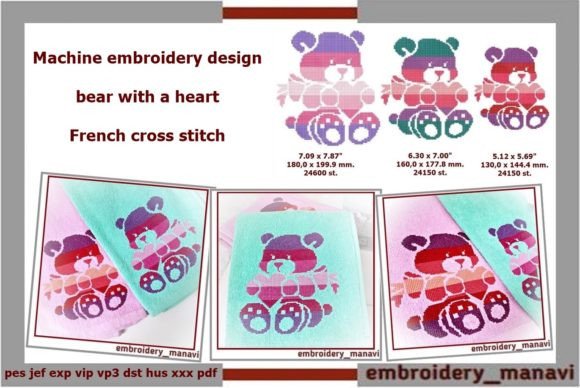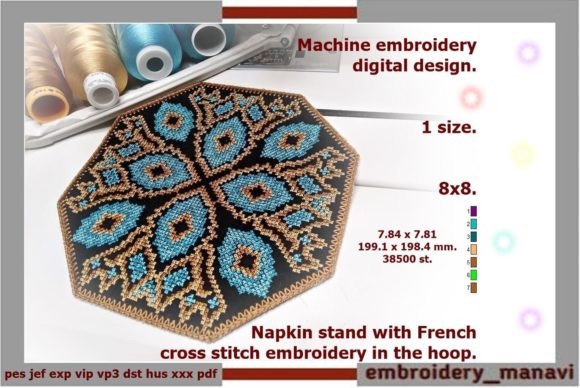
Napkin with French Cross Stitch
When I first opened the digital file for Napkin with French Cross Stitch, I immediately felt that quiet charm only a true in-the-hoop embroidery design can offer. The French cross stitch motif carries a timeless, handmade aesthetic that whispers elegance without shouting. As a designer who tests every single embroidery file on real product blanks before offering it in my own gift shop, I knew this one would earn a permanent spot in my collection of personalized gift staples.
The design feels neither overly rustic nor stiffly formal. It sits in a sweet spot that will appeal to buyers looking for a classic, slightly romantic touch on home decor items. The small, repeating cross-stitch texture gives the illusion of hand stitching, which is exactly what elevates a simple napkin or towel into a keepsake.
First Impressions: The Mood and Handmade Charm
Loading the design into my embroidery software, I noticed the clean flow of the stitch paths. The stitch density looked balanced—not too heavy to pucker fine linen, yet substantial enough to read clearly on a textured cotton. The mood is gentle, almost nostalgic. It reminds me of heirloom linens passed down through generations, but with the crisp precision only a modern machine embroidery design can deliver.
For gift shop owners and Etsy sellers, this emotional pull is gold. A customer browsing for a housewarming gift, a wedding present, or a baby shower surprise will be drawn to the sweet, handmade feel. The French cross stitch pattern has a universal appeal that fits a “House” category beautifully, blending seamlessly into nursery decor, kitchen textiles, and even pillow covers.
Where This Design Shines Brightest
I tested Napkin with French Cross Stitch on several blanks to see how it would perform in real-world handmade product scenarios. Here’s where it truly excels:
- Kitchen towels and napkins: The obvious home run. On a quality linen or cotton napkin, the design feels utterly at home. It adds a bespoke, high-end touch that turns a functional item into a decorative statement.
- Pillow covers: Placed in one corner of a linen cushion, the embroidery transforms a plain cover into a romantic, shabby-chic accent. Perfect for a cozy reading nook or a wedding gift bundle.
- Baby blankets and nursery items: The delicate cross-stitch effect is soft enough for a baby’s room. I’d use it on a muslin swaddle or a small blanket corner, pairing it with a tiny name or date for a baby embroidery keepsake.
- Aprons and tote bags: The design adds a vintage French market vibe. A custom embroidered apron with this motif becomes a unique gift for a home baker, and a tote bag feels instantly more elevated.
- Wedding and family keepsakes: Couples often look for a subtle way to personalize their special day. This design, stitched on a ring bearer pillow or a table runner, brings an understated elegance that photographs beautifully.
In each case, the finished product looked like a carefully curated custom embroidery piece, not a mass-produced decoration. That perceived value is what helps small shop owners command higher prices and attract loyal customers.
Practical Considerations Before You Stitch
As much as I adore this design, I always run through a mental checklist before promising it to a client. Here are a few things to watch for when using Napkin with French Cross Stitch on different fabric types and product shapes.
Fabric Texture and Weight
On thick, plush towels, the small cross-stitch details can sink into the pile and lose definition. I recommend using a topper stabilizer or opting for a flat-weave towel instead of a high-loop terry. For stretchy baby clothes, like a onesie, the design’s delicate nature might struggle with distortion unless you use a very firm cut-away stabilizer and baste the fabric perfectly. Always test on a scrap of the same fabric first.
Dark or Highly Textured Fabrics
The French cross stitch motif relies on its crisp, open look. On dark fabric, light thread colors pop beautifully, but be mindful of any tiny jump stitches that might show. I always do a mockup with both light and dark backgrounds to see how the thread colors interact. A slightly heavier thread, like a 40-weight polyester, can give a more defined look on dark linen, while a finer 60-weight cotton thread keeps the heirloom feel on light muslin.
Curved and Small Surfaces
If you plan to use this design on a curved surface, like a napkin ring or a small pouch, check the hoop size first. The design should fit comfortably within your hoop’s stitching field without distorting the edges. The manufacturer’s recommended hoop size is crucial—don’t assume it will fit a smaller hoop just because the design looks compact. Missing this detail can lead to registration errors and wasted fabric.
Frequent Washing
For items that will be washed often, like kitchen towels or baby bibs, stabilize well and consider a polyester thread for colorfastness. The design’s stitch density is gentle enough that it doesn’t create a stiff patch, but I still advise a gentle wash cycle and air drying to preserve the embroidery’s crispness over time.
How the Design Elevates Giftability and Customer Trust
When I sell a finished product featuring Napkin with French Cross Stitch, I’m not just selling a napkin or a pillow cover. I’m selling a feeling. The design’s unmistakable handmade quality boosts the gift’s emotional connection. A customer who receives a personalized towel with this delicate embroidery sees the care immediately. It’s the kind of detail that makes them reach for their phone and leave a glowing review.
For Etsy sellers and craft fair vendors, this design is a powerful tool for building a cohesive product line. Imagine a “French Country Kitchen” collection: matching napkins, a tea towel, and a small apron, all featuring the same cross-stitch motif. The visual consistency increases buyer engagement and encourages multi-item purchases. The printable mockup potential is also strong—you can stage a photo of a finished napkin on a rustic table with a sprig of lavender, and suddenly your shop feels like a curated boutique.
I also noticed that the design works beautifully as a custom order preview. Because the cross-stitch pattern is so recognizable, customers can easily imagine it on their chosen product. I’ve used a simple digital mockup of the design on a pillow cover to secure a large wedding order, and the client’s confidence was immediate.
Commercial Use and Licensing Clarity
Before you stitch out dozens of these for a bridal fair, make sure you understand the commercial licensing that comes with the embroidery file. The product description mentions it’s a digital embroidery file for machine embroidery, but it doesn’t spell out the full terms. Always check the designer’s license: some allow finished products to be sold freely, others require a separate commercial license. A quick email to the file creator can save you from a copyright headache later. This is especially important for small shop owners who build their entire income around handmade physical goods.
Final Testing Notes from My Workbench
Here’s a no-fluff summary of the steps I take every time I work with a new design like Napkin with French Cross Stitch:
- Test on scrap fabric first. I used a cotton-linen blend similar to my napkin stock.
- Check thread color contrast. A soft cream on white linen gives a tone-on-tone elegance, while a deep navy on natural linen feels more modern.
- Confirm hoop size. The design file should clearly state the required hoop; never guess.
- Review stitch density. After the test stitch, I ran my fingers over the design—it was smooth, with no puckering.
- Use proper stabilizer. For napkins, a medium-weight tear-away with a water-soluble topper gave the cleanest finish.
- Compare light and dark fabric mockups. Even if I only plan to stitch on light fabric, seeing the design on dark helps me understand its true contrast.
- Check small details after stitching. I looked closely at the intersections of the cross stitches to ensure no thread breaks or missed stitches.
One important note: the product description doesn’t list the exact stitch count, file format, or hoop size. These are details you must verify before purchasing or using the file. Don’t assume it’s compatible with your machine just because the preview looks perfect. Missing information is a red flag if you’re in a hurry, but a quick message to the seller usually clears it up.
Who Will Love This Design the Most?
After working with Napkin with French Cross Stitch on half a dozen products, I can confidently say it’s a dream for:
- Wedding gift designers who want a soft, romantic accent on ring pillows, hankies, or table linens.
- Baby product creators looking for a gentle, non-gendered motif for blankets, bibs, or nursery wall hangings.
- Home decor sellers who specialize in farmhouse, French country, or cottagecore aesthetics.
- Etsy sellers who need a versatile, quick-to-stitch design that photographs beautifully for listings.
- Craft fair vendors who can offer on-the-spot personalization with a name or date added next to the cross-stitch pattern.
In the world of machine embroidery, finding a design that balances simplicity with emotional impact isn’t always easy. This one does exactly that. It’s a small, thoughtful pattern that makes a big difference in how a handmade product is perceived. Whether you’re stitching a single napkin for a housewarming gift or building an entire collection around a vintage French theme, Napkin with French Cross Stitch earns its place in your design library. Just remember to test, stabilize, and always check the small details—your customers will notice the difference.