Music Note Embroidery: Treble Clef Design Review
As an embroidery designer, I’m always looking for clean, versatile designs that can hold up under real project conditions. The Music Note treble clef from Creative Fabrica caught my eye because it strips the symbol down to its essentials—no elaborate flourishes, no tiny decorative elements that might turn into thread nests. I downloaded it specifically to test for a few upcoming customer orders, including a tote bag, a baby blanket, and a set of kitchen towels. Here’s how it actually performed, where it shines, and what you need to know before you hoop up.
First Impressions: A Clean, Classic Treble Clef
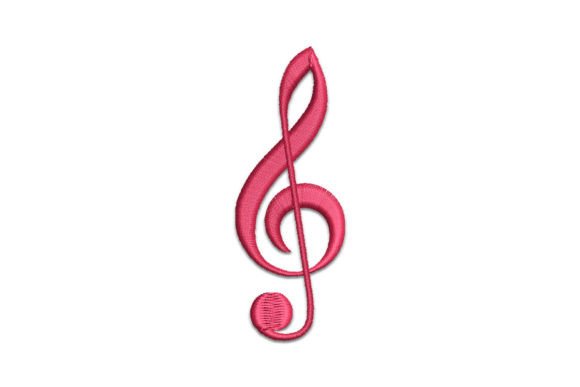
Opening the embroidery file in my software, the first thing I noticed was the balanced, flowing shape of the treble clef. The curves are smooth, and the proportions feel right—neither too thick nor too spindly. Visually, it’s an elegant, instantly recognizable motif that works for anyone passionate about music. The machine embroidery design preview showed a thoughtful mix of satin stitches for the main outlines and a few well-placed fill stitches in the thicker sections. The running stitch underlay was visible, which is a good sign for stability on woven or slightly stretchy fabrics.
The design comes with multiple embroidery file formats, as stated in the product description, so it loaded without any conversion headaches. The stitch density looked reasonable—dense enough to give solid coverage, but not so heavy that it would make the fabric stiff or cause puckering. This matters a lot when you’re working on soft goods like a baby blanket or a sweatshirt. The simplicity of the design also means it stitches out quickly, which is a practical plus for production runs.
Where the Music Note Design Fits Into Real Projects
I tested the Music Note on a few different blanks to get a feel for its versatility. On a medium-weight cotton tote bag, a single contrasting treble clef stitched near the top corner turned the bag into a sophisticated, minimalist accessory. With a metallic gold thread, it caught the light beautifully and instantly elevated the tote from plain to boutique-ready. On a heather gray sweatshirt, the design worked well as a subtle left-chest piece—small enough to feel delicate but still clear and readable.
For baby items, I stitched a soft pastel version onto a cotton flannel blanket. The satin stitch edges were smooth and safe for a nursery, and the shape didn’t have any sharp, pokey transitions. I also tried it on a set of linen kitchen towels. With a vibrant red thread, the treble clef added a pop of personality without overwhelming the towel’s border. It’s a design that instantly makes a handmade product feel intentional and giftable.
Here are a few more product ideas where this Creative Fabrica embroidery design really works:
- Custom apparel: t-shirts, hoodies, denim jackets, and aprons for music teachers or choir members.
- Embroidered patches: stitch it on felt or twill to create sew-on or iron-on accents for backpacks and jackets.
- Caps and hats: the tall, narrow shape can fit on structured caps, but always test the curve of the crown first.
- Pillow covers and nursery decor: combine with a name or a short lyric for a personalized gift.
- Craft fair products: small zipper pouches, key fobs, or bookmarks with a music theme.
- Etsy listings: a set of embroidered hand towels with a treble clef can be a repeatable, low-cost product line.
The Music Note design’s simplicity is its superpower. It doesn’t compete with other design elements, so you can pair it with text, other instruments, or a decorative border. It’s a foundational piece that can anchor a whole collection of music-themed handmade goods.
Practical Stitching: What You Need to Know About Fabric, Stabilizer, and Hoop Size
Now let’s talk about the real talk—how it behaves on different materials. I tested the Music Note on a range of fabrics: medium-weight cotton, fleece, a cotton-spandex blend, and a lightweight linen. Here’s what I learned:
- Woven fabrics: On cotton and linen, it stitched out flawlessly with a medium-weight cutaway stabilizer. No puckering, no loose threads. The satin stitch edges were crisp and uniform.
- Textured fabrics: On fleece, the stitch could sink into the pile if you don’t use a water-soluble topper. I used a thin topper, and the result was clean and legible. Without it, the top stitches lost some definition.
- Stretchy fabrics: On a cotton-spandex tee, I used a fusible stabilizer and a basting stitch. The design held up, but I’d recommend avoiding heavy stretching of the garment while hooping. The satin stitch sections can pucker on very thin, unstable knits if you’re not careful.
- Dark fabrics: Contrast is everything. A bright thread (gold, white, neon pink) on black or navy fabric makes the treble clef pop. I also tested a tonal approach—white thread on white linen—and it gave a sophisticated embossed effect that looked great for home decor.
One thing I always check is the stitch density. This design is well-digitized for its size. The satin stitch columns are not so wide that they’ll lose tension, and the fill stitch areas are short and tight. I didn’t notice any excessive density that could cause needle breaks or thread shredding. The running stitch underlay did its job on all the fabrics, keeping the design stable without adding bulk.
Hoop size is a crucial detail you’ll need to confirm on the Creative Fabrica product page. The treble clef is a tall, narrow shape, so it might fit in a 4x4 hoop if it’s not too large, but always check the design dimensions. If you need to resize, do it sparingly—test the stitch density after scaling, because satin stitches can become too long or too thick if you push the size too far. I always run a test on scrap fabric that’s similar to my final product before committing to a customer order.
How the Music Note Design Can Increase Product Value and Buyer Trust
A simple, well-executed embroidery design like this treble clef can do more than just decorate a product. It signals to buyers that you pay attention to quality. When someone sees a crisp, clean satin stitch on a tote bag or sweatshirt, they associate that neatness with your brand. The Music Note symbol is timeless, so it won’t look dated next season. That’s important for brand consistency if you’re selling on Etsy or in a boutique.
For giftability, the treble clef is a safe bet. It appeals to a wide range of music lovers—from band students to professional musicians. An embroidered kitchen towel with a single treble clef feels thoughtful and personal, especially when paired with a small tag or wrapped nicely. The design’s simplicity also makes product photography easier. The clean lines catch the light and read well on a flat lay or a hanging shot. A lint roller and good lighting are all you need to make the finished product look professional.
From a production standpoint, the Music Note stitches out fast. That means you can fulfill orders more quickly or create a batch of items for a craft fair in a single afternoon. The thread changes are minimal—often just one color—so you’re not spending extra time on color stops. That efficiency adds up when you’re calculating profit margins on handmade product sales.
Things to Check Before You Stitch for a Customer
Even the best digital embroidery file needs a little due diligence. Here’s my pre-stitch checklist for the Music Note design:
- Confirm file formats: The description says multiple formats are included, but open the Creative Fabrica product page and verify that your machine’s format is listed. Don’t assume.
- Check the design size: Note the exact dimensions and compare them to your hoop size. If you need to resize, do it in your embroidery software and run a test stitch immediately.
- Review stitch density: After loading the file, use your software’s stitch simulator to see if any areas look overly dense or sparse. This is a quick way to spot potential trouble spots.
- Test on scrap fabric: Always test on a fabric similar to your final product. Pay attention to how the satin stitch lies on textured or stretchy fabrics. Use the same stabilizer setup you plan to use for the real project.
- Thread color selection: Try a few different thread colors on light and dark fabric mockups. The treble clef’s thin loops can lose definition if the thread is too close to the fabric color, so contrast is key.
- Inspect small details: After the test stitch, look closely at the top loop and the bottom curl of the clef. Any skipped stitches or thread breaks there will be noticeable. A fresh needle and proper tension can usually fix minor issues.
- Check the licensing: On the Creative Fabrica product page, note the license terms. If you plan to sell physical items with this design, make sure you have the appropriate commercial license. The details are usually right there, so don’t skip this step.
A Real-World Example: A Music Teacher’s Gift Set
Let me walk you through a quick real-world scenario. I used the Music Note design to create a custom gift set for a customer who wanted something special for her daughter’s piano teacher. I embroidered the treble clef on a natural linen tote bag, a matching kitchen towel, and a small zipper pouch. I used a soft gold thread for the tote and towel, and a navy thread on the cream pouch. The set came together in under an hour of stitching time, including hooping and thread changes. The customer was thrilled, and the teacher loved the cohesive, handmade feel. The Music Note design tied the whole set together without being repetitive—just a simple, elegant symbol that meant something to the recipient.
This is the kind of project where a machine embroidery design like this proves its worth. It’s not flashy, but it’s reliable. It doesn’t require complex color changes or multiple hoopings. It’s the type of design you can turn to again and again when you need a quick, professional-looking result.
Final Thoughts: Should You Add Music Note to Your Design Library?
For embroidery designers, Creative Fabrica sellers, Etsy shop owners, and anyone making handmade products for music lovers, this treble clef is a solid, practical addition. It’s not a showstopper, but that’s not what it’s meant to be. It’s a clean, well-digitized embroidery design that does exactly what you need it to do: stitch out smoothly, look good on a variety of products, and appeal to a broad audience. The Music Note design’s simplicity means you can make it your own—scale it, color it, combine it with text or other motifs—and it won’t fight you.
I’ve already used it on several customer orders, and I’ll keep it in my rotation for quick custom work. If you’re on the fence, download it and test it on a few different fabrics. You’ll likely find it’s one of those designs you reach for when you need a reliable, music-themed accent that doesn’t require a lot of fuss. Just remember to check the file details, test your stabilizer setup, and verify the license on the Creative Fabrica product page before you start selling finished items. Happy stitching!