Infinity Border: A Designer’s Real-Use Review
I’m testing a new batch of tote bags for a bridal party order, and the client wants something that feels elevated without screaming “wedding.” The canvas is a soft oatmeal cotton, the kind that shows every stitch but also rewards a clean, balanced layout. I loaded the Infinity Border machine embroidery design onto the USB, centered it on the tote’s front panel, and ran a sample with a soft metallic gold thread against a single piece of medium-weight cutaway stabilizer. The result stopped me in my tracks. It wasn’t just a border—it was a frame that turned a simple blank tote into something that looked like it belonged in a boutique window. That’s the kind of practical magic you hope for when you pick a design labeled “regal,” and Infinity Border actually delivers it.
First Impressions: Elegance That Doesn’t Try Too Hard
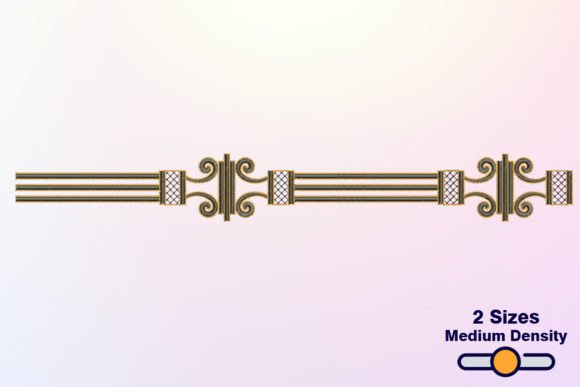
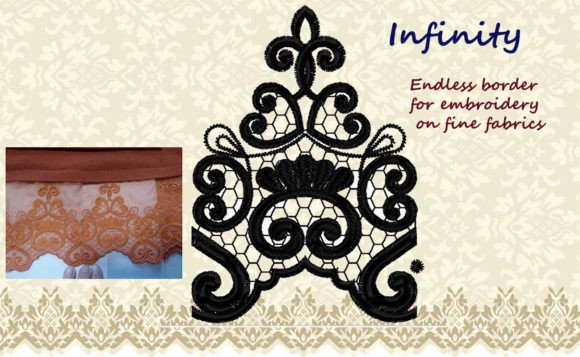
The moment I opened the embroidery file, I could see the intention. The Infinity Border has a continuous, flowing structure that loops in a way that feels organic but never chaotic. There’s a rhythm to the curves—almost like a softened Greek key meets a modern floral scroll. It creates a mood of quiet confidence, the kind of detail that makes a customer pause and say, “This is special.” The layout is symmetrical without being stiff, and the thickness of the main elements gives enough substance to work on fabrics that need some visual weight, like denim or a structured linen pillow cover. At the same time, the negative spaces inside the loops keep it from feeling heavy. It’s a border that frames rather than overpowers.
For a Borders category design, the balance is key. Many borders go too dense and end up puckering light fabrics, or they’re so delicate that they disappear into a textured weave. Infinity Border sits right in that sweet spot. The satin stitch segments are wide enough to catch light, but the fill stitches are kept minimal so the garment doesn’t turn into a stiff plaque. This matters a lot when you’re planning to use it on apparel that moves, like a sweatshirt cuff or a hem detail on a baby dress.
Where Infinity Border Shines Brightest
After the tote bag test, I stitched Infinity Border onto a few other items to see how it adapted. On a charcoal gray sweatshirt, the design popped with a matte ivory thread. The contrast was sharp, and the border created a really polished frame around the chest pocket. For a custom apparel project, this is the kind of detail that lets you price a simple piece higher because it instantly reads as intentional design, not just a logo slapped on.
On a set of linen tea towels, I used the border as a decorative band near the hem. The stitched outline held up beautifully on the slightly slubby fabric, and the result was a kitchen towel that felt gift-ready. I’ve also seen how this design would work on a pillow cover, especially if you duplicate it to create a mirror image on both ends, or use it to frame a monogram. For Etsy sellers and small shop owners, this single design can become a signature element across multiple product types: aprons, table runners, blanket edges, even a decorative band on a fabric-covered journal. The versatility is real, and customers notice consistency when you weave a design like this into your brand.
Nursery decor is another area where Infinity Border feels right. I tested it on a creamy white cotton baby blanket, running the border around the hem with a soft pastel thread. The outcome was gentle, almost heirloom-like. For a personalized gift, you could add a name or date inside the border frame, and it would instantly elevate the piece. The embroidery project felt cohesive, not like a random decoration.
When to Be Cautious With This Design
Now, I’m not going to pretend this design works everywhere. Like any embroidery design, it has its limits. The first thing to watch is your hoop size. The continuous loop means you need a hoop that can accommodate the full width without clipping the ends. If you’re working with a small hoop, you might be tempted to reduce the design, but that’s risky. The satin stitches can get too narrow and start to look messy, and the negative spaces might close up. Check the hoop size requirement before purchasing, and if you’re unsure, always test on scrap fabric at the intended size.
Stretchy fabrics are another consideration. I tried Infinity Border on a cotton-spandex blend t-shirt, and even with a fusible mesh stabilizer, the border had a slight ripple on the curves. It wasn’t terrible, but it didn’t have the crispness of the tote or sweatshirt. For stretchy fabric, I’d recommend using a firm backing and possibly a water-soluble topping to keep the stitches from sinking. On very thin fabrics like voile, the density might feel a bit heavy, so consider reducing the stitch count slightly if your machine allows, or use a lighter thread.
I also noticed that on heavily textured fabrics like a waffle weave, the fine inner details of the border can get lost. The main outline still reads, but the delicate loops inside the border may not be as visible. If you’re planning to use this on a dark fabric, contrast is your best friend. I tested a black thread on dark gray, and the design receded. A lighter thread like silver, blush, or even a soft yellow made it come alive again. Always run a quick black-and-white mockup—or even a simple monochrome digital preview—to see if the design holds its shape.
The Small Details That Make a Big Difference
What I appreciate most about Infinity Border from a product reviewer’s standpoint is how it handles the corners. The design flows in a continuous loop, so there’s no awkward mitering or sharp turn that looks out of place. This makes it especially forgiving when you’re working on curved surfaces like a cap brim or a tote bag’s rounded bottom. The border flexes naturally, which is a huge advantage over blockier borders that can look stiff on non-linear items.
Stitch clarity is excellent on a medium-weight cotton or linen. The satin stitches are smooth, and the fill areas don’t have weird gaps. I didn’t encounter any jump stitches that were hard to trim, and the color changes were minimal, which saves time on a multi-item order. For a craft business owner, time is money, and a clean stitching path is a quiet but valuable feature.
The visual appeal of Infinity Border carries over into the handmade presentation of a product. When I fold a tote and the border sits right at the top edge, it looks like a deliberate design choice, not a last-minute add-on. That kind of polish helps build customer trust and encourages repeat buyers. If you’re photographing items for Etsy listings or printable mockups, this border frames the product beautifully and gives you a consistent look that can become part of your brand identity.
Practical Designer Notes Before You Stitch
Before you commit to a large run, here are the steps I always take with a new digital embroidery file like this one:
- Test on scrap fabric that matches your final product’s weight and weave. I use a small offcut of the same material to see how the stitches settle.
- Check thread color contrast on both light and dark backgrounds. I often stitch a small section of the border on a scrap of each to see which combination gives the most impact.
- Review stitch density in your software. If the design feels too dense for your fabric, some machines let you scale the density slightly without altering the size.
- Confirm hoop size and placement. Use a paper template or light chalk mark to make sure the border sits exactly where you want it.
- Inspect small details after stitching. Look for any thread breaks or areas where the bobbin thread shows through. A quick black-and-white mockup in your software can reveal problem spots before you even hoop up.
- Use proper stabilizer. For home decor items, a cutaway gives lasting support; for apparel, a tear-away or mesh may be fine, but always test.
- Check licensing. The product description for Infinity Border mentions it comes with multiple embroidery file formats and can be used for a variety of projects, but you need to verify the specific terms if you plan to sell finished items. Some designs allow commercial use on physical products, but always confirm before you list items for sale.
Because the product notes say Infinity Border “can be used wi” and the description cuts off, I’d recommend reaching out or checking the full listing to understand the exact file types included and any restrictions. It’s a small step that saves a lot of headache later, especially if you’re a digital product seller or plan to offer custom apparel.
Adding Infinity Border to Your Project Lineup
I’ve been reviewing embroidery designs for years, and what I look for is how a design behaves after the machine stops. Infinity Border is one of those rare patterns that actually improves the blank it’s stitched on. It doesn’t just decorate—it structures the visual space. For a craft business that sells at markets or online, this border gives you a repeatable, recognizable element that can tie together a whole collection. You can use it on a sweatshirt one day, a baby blanket the next, and a set of kitchen towels the day after that, and it still feels cohesive.
The regal touch the description mentions is real, but it’s not over-the-top. It’s more of a quiet confidence that makes a handmade product look professional and intentional. Whether you’re stitching a single personalized gift or preparing inventory for a holiday shop update, Infinity Border earns its place in your design library. Just remember to test it on your chosen fabric, play with thread colors, and respect the hoop size limits. Once you see it on a finished piece, I think you’ll understand why this border keeps showing up in my sample pile.