Branches with Green Leaves: An Embroidery Designer's Review
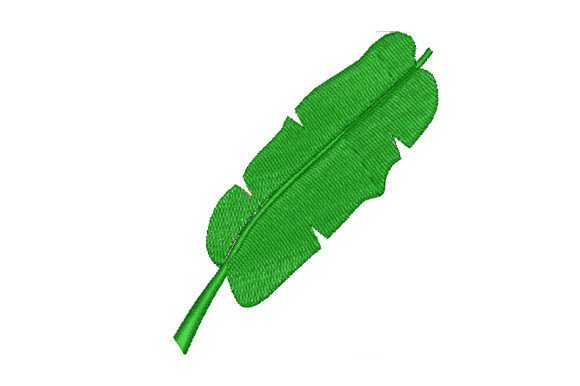
When I first opened the Branches with Green Leaves design file, I paused. It is not loud. It is not trendy in a flashy way. But it has something that many machine embroidery designs lack — a quiet, lasting presence. The title already tells half the story. The product description seals it: even if the branches are broken from the tree, the leaves will remain green forever and never wither. That line alone is a craft fair seller's dream. It gives the design emotional weight. It turns a simple nature motif into a statement about resilience and worth. For a weekend market booth, that matters more than most people realize.
This design sits comfortably inside the Forest category, but I would argue it crosses into the thoughtful gift and inspirational decor space without trying too hard. The branches have a natural, organic flow. The green leaves feel alive. There is a softness to the composition that reads as modern rustic with a touch of minimal elegance. It is not overly busy. It is not cartoonish. It is the kind of embroidery that catches a customer's eye from three feet away, then pulls them closer because they want to see the leaf details. That is exactly what you want at a craft fair table.
First Impressions and Emotional Selling Power
As a professional embroidery designer, I judge every design by how quickly it communicates its value. The Branches with Green Leaves design passes the glance test. Within seconds, a shopper understands what they are seeing. The broken branch element adds visual interest. The green leaves provide a natural focal point. But the real selling magic sits in the story. The description likens the design to people — no matter how low they are, they still have value. That is a powerful narrative for a handmade product. Customers at craft fairs buy with their hearts. They gravitate toward items that feel personal, meaningful, or uplifting. This design delivers that emotional connection without requiring a long explanation. A small sign on your booth table with that quote, positioned next to an embroidered tote bag, will stop people in their tracks.
Best Products for Branches with Green Leaves
Not every embroidery design works on every product. Part of my pre-craft-fair review process is mentally placing the design onto different surfaces and judging how it holds up. Here is where Branches with Green Leaves shines brightest.
Tote Bags and Market Bags
This is the number one product I would pair with this design. A natural canvas tote bag with the branches stretching vertically along one side creates an elegant, organic silhouette. The green leaves contrast beautifully against unbleached cotton. Placement matters here. I would position the design slightly off-center, running from the bottom corner upward. It gives the tote bag a premium handmade feel that justifies a higher price point. Customers buying tote bags at craft fairs are often looking for something that feels like art, not just a utility item. This design delivers that.
Tea Towels and Kitchen Linens
Tea towels are a staple at any handmade market. The Branches with Green Leaves design works wonderfully on a flour sack or linen tea towel. The organic branch shape pairs well with the natural texture of the fabric. I recommend stitching this on a light cream or soft beige towel. The green thread will pop nicely. Keep the design placement toward one side or the lower corner. A set of two tea towels with mirrored branch placements would make a lovely gift bundle. This is the kind of product that sells well to shoppers looking for housewarming gifts or birthday presents.
Aprons and Kitchen Wear
An apron with this design stitched across the chest or along the side panel reads as farmhouse chic. It is perfect for the home baker or gardener persona. The design is not overly feminine or masculine, which broadens your customer base. A dark green apron with the leaves stitched in a slightly lighter thread color would create a beautiful tone-on-tone effect. Alternatively, a natural linen apron with the design in a rich forest green thread is a classic combination that never goes out of style.
Pillow Covers and Home Decor
A pillow cover with Branches with Green Leaves stitched across the front makes a stunning booth display piece. The design invites touch. Customers will run their fingers over the stitches, and that tactile moment often leads to a sale. I would use a textured cotton or linen blend pillow cover. The design works as a single focal point on a larger pillow, or as a smaller accent on a lumbar pillow. The organic shape of the branches feels calming and grounded, which aligns perfectly with the home decor market.
Small Pouches and Giftable Items
This design scales down reasonably well for smaller products like zipper pouches, coin purses, or fabric gift bags. The branch structure holds its shape, and the leaves remain recognizable. These smaller items are excellent impulse buys at a craft fair. A customer who loves the tote bag might grab a matching pouch. Or someone looking for a small stocking stuffer will see the pouch and feel the emotional weight of the design. Always have a few lower-priced items on your table. They move quickly.
Embroidered Patches
I would test this design carefully as a patch. The branch elements need enough space to breathe, and the leaf details must remain crisp at a reduced size. If the stitch density is too high, the patch will feel stiff. If the design is too small, the broken branch details may blur. A patch version of Branches with Green Leaves could work well on a denim jacket or canvas backpack, but I recommend stitching a sample and evaluating it in person before committing to a batch run.
Caps and Curved Surfaces
Caps are tricky. The curved surface of a cap crown can distort branch shapes that rely on long, flowing lines. I would test this design on a cap with caution. If the branch curvature aligns well with the cap's natural arc, it could work. If the design fights the curve, the result will look amateurish. I recommend placing the design on the side panel of a cap rather than the center front. Always test on scrap fabric first, then on an actual cap, before adding it to your product lineup.
Thread Colors and Fabric Choices
The name Branches with Green Leaves gives a clear direction for thread colors. The leaves should be a vibrant, living green — not too dark, not too yellow. A medium forest green or fresh leaf green works best. The branches themselves likely call for a warm brown, soft taupe, or even a muted gray-brown depending on the aesthetic you want. I recommend testing two or three green thread options on the actual fabric you plan to use. Thread color looks different under craft fair lighting than it does on your screen. A bright green that looks perfect in your embroidery software may appear artificial under tent lights. Aim for a green that feels natural and calming.
For fabric, the design thrives on natural textures. Linen, cotton canvas, flour sack cotton, and cotton-linen blends all complement the organic branch motif. Avoid highly textured towels or heavily napped fabrics where the leaf details might sink and lose definition. The small leaf veins and branch edges need a relatively smooth surface to read clearly. Dark fabrics present a challenge. The design relies on the green leaves for its visual impact, and dark backgrounds can mute that effect. If you want to use a dark fabric, test a lighter thread color for the leaves or add a subtle outline to help the design stand out.
Practical Production Notes from the Embroidery Studio
Before you stitch a single product for your craft fair inventory, run through this checklist. I have learned these lessons the hard way over years of selling at markets.
- Test on scrap fabric first. Do not assume the design will stitch perfectly on your chosen material. Run a full test stitch and inspect every leaf.
- Check thread contrast. Hold the stitched sample at arm's length. Can you clearly see the design? Does the green pop enough?
- Review stitch density. Dense areas on the leaves can cause puckering on lightweight fabrics. If the design feels stiff, consider adjusting the density or using a softer stabilizer.
- Confirm hoop size. Measure the design dimensions and ensure your hoop can accommodate the full design with proper clearance.
- Use the right stabilizer. For tote bags and tea towels, a medium-weight cutaway stabilizer generally works well. For lighter fabrics, a tear-away may suffice. Always match the stabilizer to the fabric weight and stretch.
- Create at least one real mockup. A stitched sample on the actual product is worth more than ten digital mockups. Photograph it in natural light for your Etsy listing or booth signage.
- Compare fabric colors. Stitch the design on three different fabric shades. See which one makes the design shine.
- Confirm commercial licensing. Before selling finished products, verify that your embroidery file license allows commercial use. This is not something to guess about.
Booth Display and Customer Engagement
At a craft fair, your display is everything. The Branches with Green Leaves design has a natural advantage here. Its organic shape and calming green tones draw the eye without shouting. I recommend hanging a large tote bag or pillow cover at eye level as your anchor piece. Place a tea towel and apron nearby in coordinating colors. Use a small framed sign with the product description quote to give shoppers context. The phrase no matter how low they are, they still have value will resonate with people. Some will read it and smile. Others will read it and feel something deeper. Either way, they will stop. And a stopped customer is a potential buyer.
Group products together by theme. The Forest category lends itself to a natural, earthy table setup. Use wooden risers, a linen tablecloth, and a few small potted plants to echo the branch motif. The design itself becomes part of a larger story. Shoppers are not just buying an embroidered item. They are buying a feeling of resilience, growth, and quiet strength. That is the kind of branding that builds repeat customers.
Etsy and Online Selling Potential
For Etsy sellers and small shop owners, Branches with Green Leaves photographs beautifully. The green leaves create a strong focal point in listing images. The design is easy to understand in thumbnail size, which is critical for search results. I recommend using lifestyle photos that show the product in a natural setting — a tote bag hanging on a wooden hook, a tea towel draped over a bowl of fresh greens, a pillow cover on a sunlit chair. The story sells the product. The design supports the story. Together, they create a listing that stands out in a crowded market.
When writing your Etsy title and tags, include phrases like nature embroidery tote bag, botanical tea towel, green leaves handmade gift, and forest embroidery decor. The emotional angle of the design also opens up tags like inspirational gift and resilience art. Do not overlook those niche keywords. They attract buyers who are searching for something meaningful.
Careful-Use Notes and Potential Pitfalls
No design is perfect for every situation. Here are the areas where Branches with Green Leaves requires extra attention.
Dense stitch areas on the leaves can cause the fabric to feel stiff or even pucker if the stabilizer is insufficient. Test and adjust. Tiny details like small leaf veins or thin branch tips may lose clarity on textured towels or napped fabrics. The design is better suited to smooth or lightly textured surfaces. Smaller sizes may cause the branch break details to close up or blur. If you plan to scale the design down for a patch or small pouch, stitch a test swatch and evaluate the result carefully. Curved cap surfaces can distort the branch lines. Always test on the actual cap before committing to a production run. Dark fabrics may swallow the green leaves. If you want to use a dark background, consider a thread color adjustment or a subtle outline stitch to maintain visibility.
Final Verdict from a Craft Fair Perspective
After a thorough review, I would absolutely bring Branches with Green Leaves to my next craft fair. It is a design with substance. It looks beautiful stitched out. It carries a message that resonates. It works across multiple product types. It photographs well. It feels handmade without looking homemade. For an embroidery business owner, that combination is rare and valuable.
This design belongs on your table. Stitch it on a tote bag first. Watch how customers react. Then expand into tea towels, aprons, and pillow covers. Let the design earn its place in your product lineup. It will.